Breakfast
12 Gut-Friendly Breakfast Ideas Packed With Fiber
Start the day kindly on your gut. These 12 fiber-packed breakfast ideas support digestion without heavy frying.
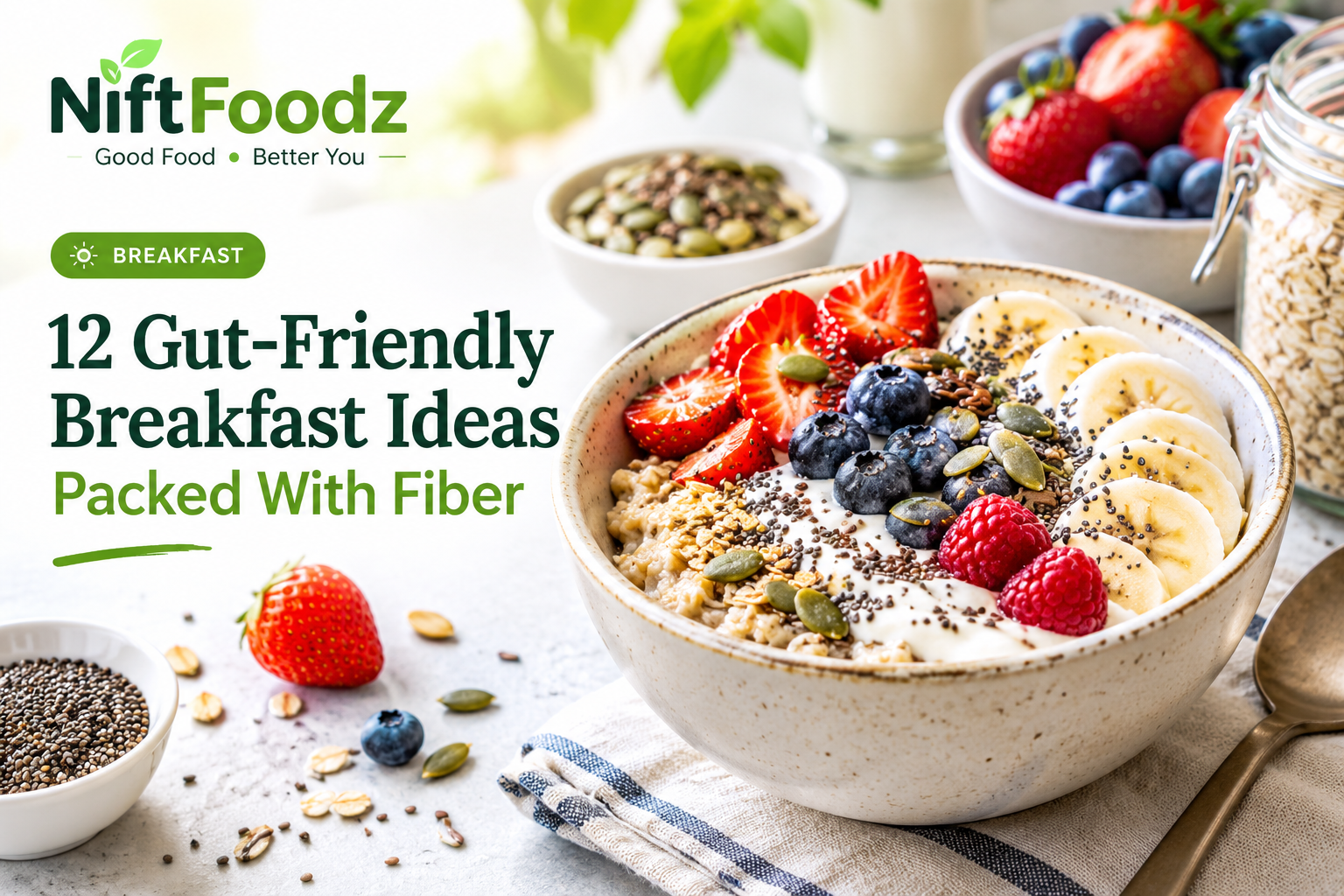
Gut-friendly breakfasts focus on fiber, fluids, and often fermented foods like yogurt. Heavy fried mornings can leave you sluggish; lighter plates with oats, fruit, seeds, and vegetables tend to feel better for everyday energy.
Nifty Digest shares 12 practical ideas you can rotate through the week.
Gentle Morning Principles
Increase fiber gradually, chew well, and include yogurt or other fermented foods if you tolerate dairy. Hydrate before or with breakfast.
- Fiber: oats, fruit, seeds, vegetables
- Fermented: yogurt and hung curd
- Less helpful daily: deep-fried breads and excess sugar
12 Gut-Friendly Breakfast Ideas
1. Oats with Chia and Berries
Classic fiber bowl.
2. Yogurt with Banana and Flax
Simple and effective.
3. Overnight Apple Oats
Cinnamon and grated apple.
4. Savory Veggie Oats
Carrot, spinach, and cumin.
5. Moong Chilla with Yogurt
Light protein and plants.
6. Papaya Yogurt Bowl
Gentle fruit for many people.
7. Stewed Apples on Toast
Warm and comforting.
8. Smoothie with Spinach and Yogurt
Not too icy if sensitive.
9. Chickpea Breakfast Salad
Lemon, herbs, cucumber.
10. Cottage Cheese and Pear
Fiber plus protein.
11. Millet or Oat Porridge
Cook soft with milk.
12. Idli or Steamed Options with Chutney
When you want steamed over fried.
Gut Comfort Tips
- Add fiber slowly over 1 to 2 weeks
- Drink water through the morning
- Notice personal triggers like excess chili on empty stomach
- Choose ripe fruit if digestion is sensitive
- Walk a few minutes after breakfast when possible
Final Thoughts
A gut-friendly breakfast is a calm foundation for the day. Keep it simple, fibrous, and consistent.
Read more in Nifty Digest on Nifty Foodz.
Practical Weekly Plan
If you want to use 12 Gut-Friendly Breakfast Ideas Packed With Fiber in real life, treat it as a rotation rather than a one-day challenge. Pick two or three ideas for this week, shop once, and repeat what your household actually enjoys. Consistency beats novelty. Write your favorites on a kitchen note so weekday decisions stay easy. Over a month, that short list becomes a personal playbook. Share the plan with whoever cooks with you so shopping and leftovers stay coordinated.
Shopping and Prep Notes
Before you cook, check what you already have: spices, yogurt, eggs, lentils, frozen vegetables, and leftovers. A five-minute fridge check prevents duplicate shopping and food waste. Prep sauces, chopped onions, and boiled eggs when you have spare time. Store cooked proteins in shallow containers, cool them quickly, and label dates. Reheat thoroughly and combine with fresh vegetables so meals feel new. Keep lemon, chili flakes, cumin, and chaat masala within reach — bold seasoning makes lighter cooking taste complete.
Common Mistakes to Avoid
- Doing everything at once: start with two recipes, not the whole list
- Under-seasoning lighter food: use herbs, citrus, chili, and spice blends
- Skipping protein at breakfast or lunch: hunger returns faster
- Relying on willpower alone: prep the environment so the easy choice is better
- Ignoring leftovers: tonight's dinner can become tomorrow's high-protein lunch
Serving Ideas and Pairings
Balance the plate with color and texture. Add a quick salad, yogurt raita, cucumber sticks, or fruit so the meal feels abundant. If the main dish is rich, keep the side fresh. If the main dish is light, add crunchy nuts, seeds, or a whole-grain roti for staying power. For busy households, assemble bowls: protein base, vegetable volume, smart carb, and a flavor finisher like chutney or lemon. This style reduces decision fatigue and works with almost every idea in this guide.
How This Fits Nifty Foodz
At Nifty Foodz, we care about recipes people can actually cook. This Nifty Digest guide — 12 Gut-Friendly Breakfast Ideas Packed With Fiber — is designed for busy kitchens, local ingredients, and realistic routines. Use it with our recipes and tips sections to build a week that tastes good and feels sustainable. If you try one idea, note what worked — timing, spice level, and family feedback — then refine. That is how home cooking improves week after week.
Keep practicing small upgrades. Better weekday defaults create better long-term habits without demanding perfection every single meal.
Return to this article whenever you need inspiration, and choose the next easiest idea that fits your schedule and budget today.
A short grocery list and a clear protein plan often matter more than complicated recipes or special equipment.
Invite family members to pick one favorite from this list each week so everyone feels included and meals stay interesting.
Track what you cooked on your phone notes app for two weeks. Patterns appear quickly and shopping becomes simpler.
When motivation is low, repeat a known winner instead of forcing something new. Reliability is a feature, not a failure.
Use weekends for batch cooking and weekdays for assembly. That split protects time and energy when life gets noisy.
Season boldly, plate generously with vegetables, and eat slowly enough to notice fullness. Those three habits improve almost any meal plan.
Keep practicing small upgrades. Better weekday defaults create better long-term habits without demanding perfection every single meal.
Return to this article whenever you need inspiration, and choose the next easiest idea that fits your schedule and budget today.
A short grocery list and a clear protein plan often matter more than complicated recipes or special equipment.
Invite family members to pick one favorite from this list each week so everyone feels included and meals stay interesting.
Track what you cooked on your phone notes app for two weeks. Patterns appear quickly and shopping becomes simpler.
When motivation is low, repeat a known winner instead of forcing something new. Reliability is a feature, not a failure.